

Experience Designer and founder of Sensoriath and Àncora d?Amore, Dalila Azzurra Giordano approaches event design from a human-centered perspective, in which strategy, emotion, and sensory stimuli are all part of a single narrative. In this interview, she analyzes how experiences can help transform the perception of a brand and reflects on the role of technology, participation, and human connection in the future of corporate events.
Leer más
More than three out of every four agents already use artificial intelligence tools in their sales processes, while price parity, content quality, and sustainability are becoming increasingly important factors when recommending and booking services, according to Amadeus? latest global study on travel agencies.
Leer más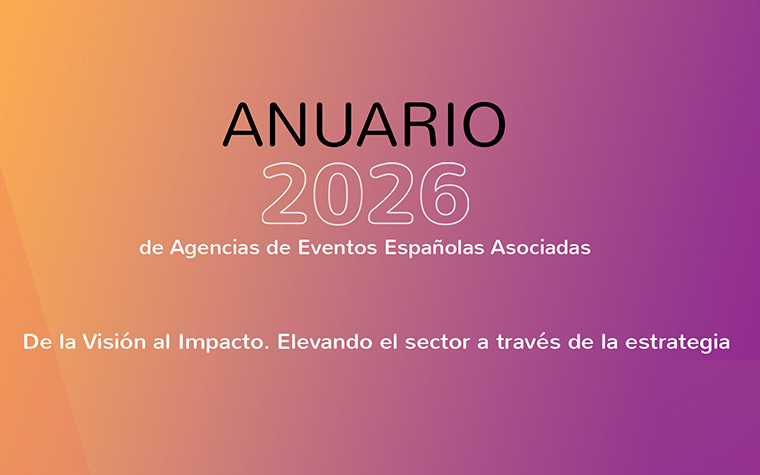
The 12th edition of the AEVEA Yearbook compiles information from the leading experiential marketing agencies and insights from experts, brands, associations, and event service providers. The publication analyzes the role of strategic design as a driver of growth and includes data on economic impact, business trends, and key industry trends.
Leer más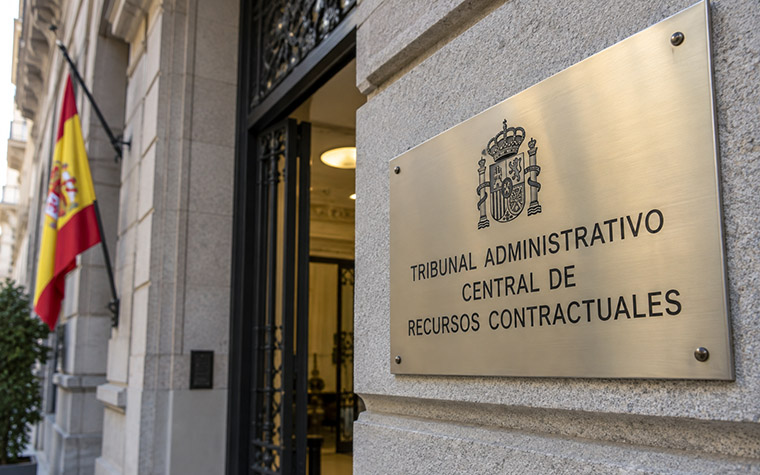
The Central Administrative Court for Contract Appeals (TACRC) has agreed to provisionally suspend the procurement process for travel agency services for the General State Administration (AGE), following an appeal filed by GEBTA and other entities against the bidding specifications, which the association is also seeking to have annulled.
Leer más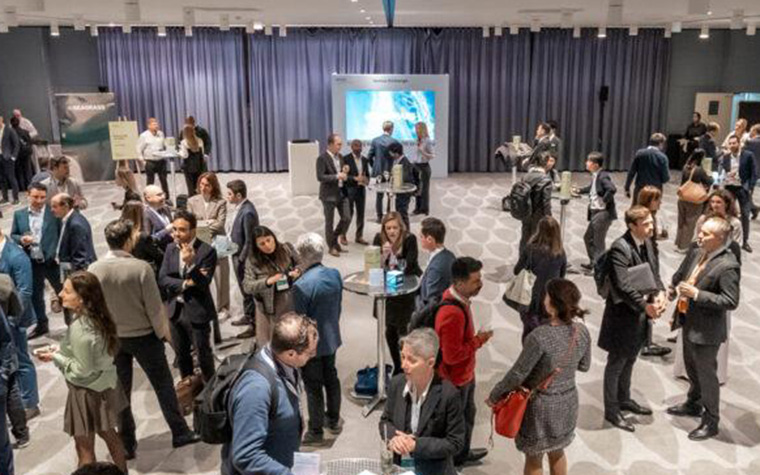
The events sector is approaching the September rebound with events playing an increasingly important role in business strategies. According to AEVEAPulse, 92.1% of companies consider events to be a strategic or relevant channel. Creativity and new formats are at the forefront of brands? demands, in a context marked by advances in artificial intelligence and the need for specialized talent.
Leer más
Artificial intelligence (AI) is already being used in corporate travel management, although its adoption remains limited. About three out of every four organizations use this technology in some form in their travel programs, but less than 10% have incorporated it into multiple processes or strategic decision-making.
Leer más